Kitchen Table Talks: Mexico City
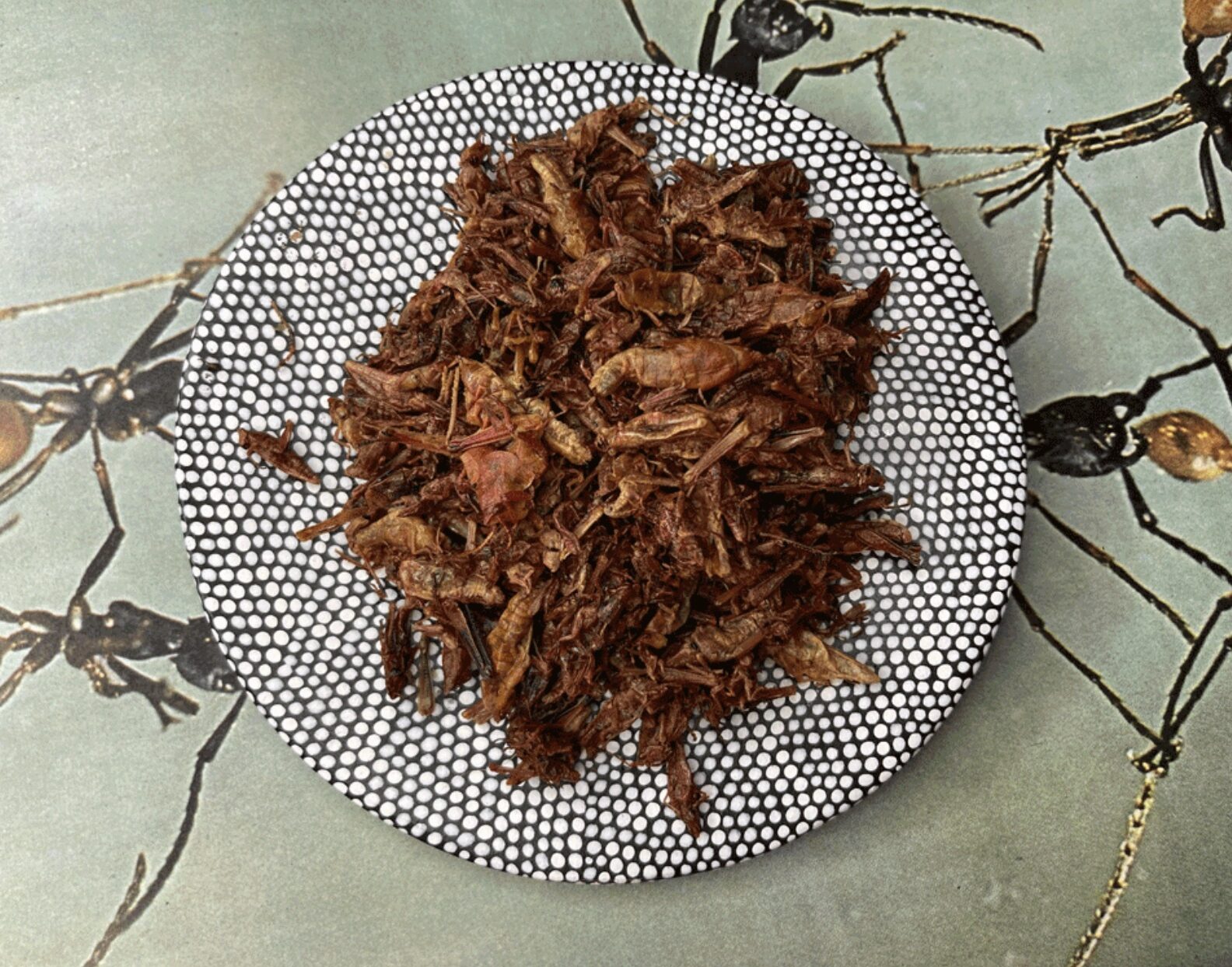
Transart Institute and Food Art Research Network collaborate on an afternoon of conversation about food, art, territory and language as part of Transart’s residency in Mexico City. With presentations about colectivo amasijo’s working methodology, Sofia Olascoaga’s ongoing projects La Nutridora: Una cocina para aprender and presentation by Beatriz Paz Jiménez & Zoë Heyn-Jones of Dupla Molcajete about their work Entomofagia: Ancestral and Future Foods. The discussions were followed by a meal prepared by Colectivo Amasijo and artists shared conversations with Transart researchers and guests. With an introduction by Madeleine Collie, initiator of the Food Art Research Network
colectivo amasijo, created in 2016 in Mexico City, comprises women from different professions and parts of Mexico. The collective rises from the will to care, conserve, and celebrate—creating conditions to actively reflect on the origin and diversity of food actively, de-hierarchizing knowledge and focusing on the “doings” (“haceres”) as a way of learning. The collective listens to the narratives of women close to the land—non-dominant narratives—and cooks collectively to deepen understanding of the interdependence of language, culture, and territory as a network of interrelationships.
Sofia Olascoaga’s focuses on the intersections of art and education through the exploration of encounters, think tanks, and public programs along with artists, theorists, curators, educators, and a wide range of institutional and independent interlocutors. Olascoaga was co-curator of the 32nd Bienal de São Paulo Incerteza Viva; academic curator at MUAC (Museo Universitario de Arte Contemporáneo – UNAM) in Mexico City, 2014; curatorial research fellow at Independent Curators International, 2011; and Helena Rubinstein curatorial fellow at the Whitney Museum of American Art’s Independent Study Program, 2010. She is currently a member of Sistema Nacional de Creadores Artísticos, in Mexico, in Experimental Practices (2019–22), where she is developing the project The Nurturer: Cooking to Learn (La Nutridora: Una cocina para aprender).
Dupla Molcajete is an emergent collaborative practice between researcher-artists and cultural workers Beatriz Paz Jiménez & Zoë Heyn-Jones. Dupla Molcajete works to create spaces for experimentation at the nexus of art, food, and culture from Mesoamerican perspectives, centering on food justice and sustainability. Dupla Molcajete privileges ancestral knowledge and (perma)cultural practices between Mexico and Canada—and across the hemisphere—through cooking, eating, talking, writing, curating, publishing, collaging and making plant-based photochemical images.
Transart Institute and Food Art Research Network collaborate on an afternoon of conversation about food, art, territory and language as part of Transart’s residency in Mexico City.